Product Overview
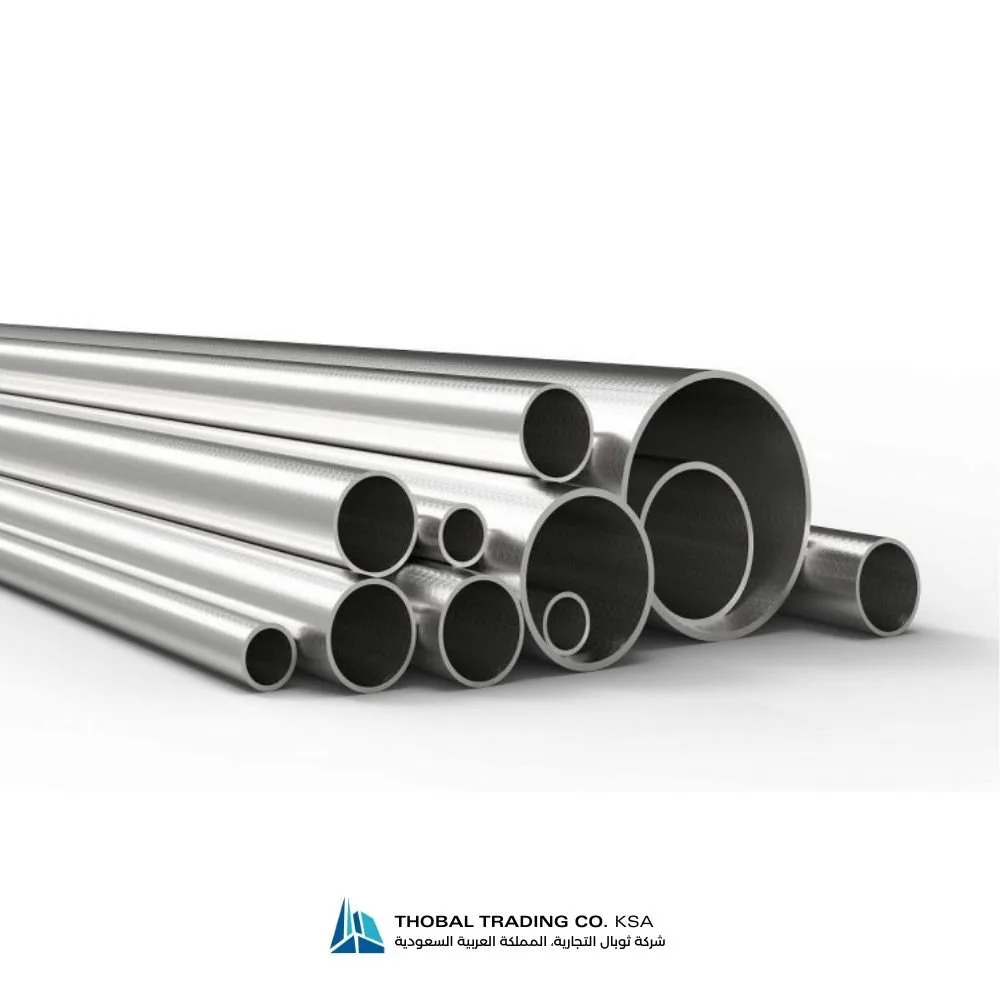
Hygienic Process Tubing is the critical infrastructure of any high-purity fluid system. Unlike standard industrial pipes, sanitary tubing is designed with a primary focus on surface chemistry and geometry. It is measured by its Outer Diameter (OD) and specific wall thickness to ensure a perfect, flush match with sanitary fittings, preventing internal steps where product can stagnate and spoil.
Ultra-High Purity Internal Finish
The performance of a hygienic line is defined by its internal surface. Our tubing undergoes rigorous mechanical polishing and bright annealing to achieve an internal roughness of Ra < 0.6μm. This mirror finish is a functional requirement that prevents the formation of biofilms and ensures that Clean-in-Place (CIP) and Steam-in-Place (SIP) cycles are 100% effective in removing residue.
Advanced Metallurgy (SS 316L)
For aggressive process environments, we prioritize AISI 316L (Low Carbon) stainless steel. This alloy offers superior resistance to chloride-induced pitting and stress corrosion, which is vital when handling acidic food products or harsh sanitizing chemicals. The low carbon content ensures maximum corrosion resistance at the weld seams, maintaining system integrity for years of continuous operation.
Global Engineering Standards
Our tubing is engineered to meet the stringent requirements of international hygienic engineering codes, ensuring seamless integration with your existing process skids:
-
ASTM A270: The primary American standard for seamless and welded austenitic stainless steel sanitary tubing.
-
DIN 11850 / EN 10357: The European benchmark for hygienic pipes in the food and chemical industries.
-
SMS & ISO: Standards commonly used in international beverage and liquid processing layouts.